 Skip to content


Encryption is no longer a “nice-to-have” feature — it’s one of the only defenses standing between an organization and catastrophic data exposure.
Modern attacks move fast, exploit anything they can find, and often bypass traditional security layers. When everything else fails, encryption is the barrier that decides whether stolen data becomes a headline—or a useless pile of scrambled nonsense.
If applied correctly, encryption turns sensitive information into an unreadable artifact, shielding organizations from fines, lawsuits, ransom demands, and irreparable reputational damage. It is the last stand when perimeter security breaks.
What is encryption?
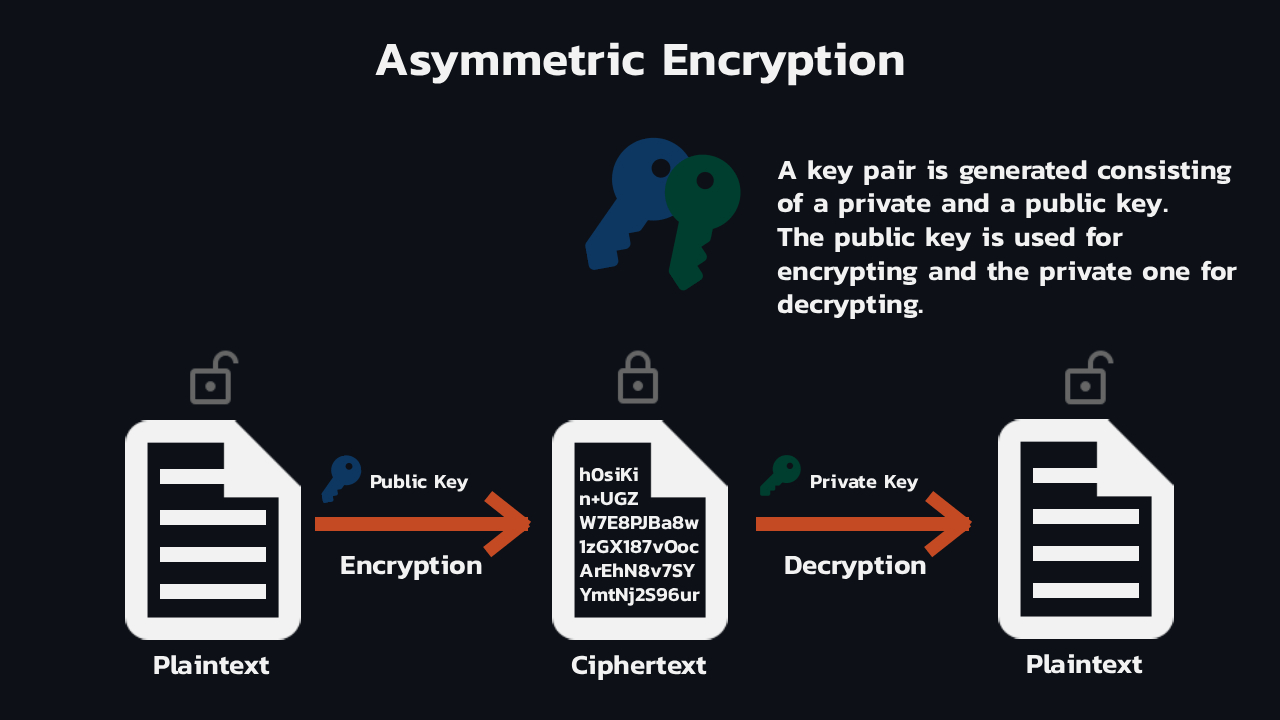
Encryption is a process of converting a plaintext into a seemingly unreadable ciphertext. Encryption isn’t something new. It has evolved across millennia, going back as far as Ancient Egypt and Mesopotamian civilizations, protecting sensitive information long before the digital era.
This conversion is done through the application of an encryption key with an encryption method. An encryption key makes it possible to encrypt and decrypt (converting back to readable text) data, sort of how a physical key may lock or unlock a door.
An encryption method is the technique used to convert the text. Encryption measures have evolved a lot throughout the years and there are multiple solutions currently, each serving its best use cases. Some are better for protecting stored files, some to secure online communications, some for intranetwork communications, etc.

Why is encryption so important?
Today’s web environment is highly hostile, filled with constant threats. It is a widely known fact that hackers are relentless in their attempts to exploit websites and other systems for data that may serve them for personal gain by any means.
Though encryption by itself may not prevent the access to a system by an attacker, it can constitute the last line of defense against their attempts, making any sensitive data unusable without its encryption key. Otherwise, a successful hacker may demand a ransom payment, or exploit the data in any other way.
Leaks of sensitive data without proper defensive and encryption measures may result in serious fines and reputational damage. Some jurisdictions are heavily invested in enforcing hefty fines on entities that do not follow sufficient data privacy and security requirements. The EU is particularly dedicated to this matter, through the GDPR, with fines span from a few thousand to some millions of euros, you may check some at: https://www.enforcementtracker.com/.
Which data should I encrypt?
The definition of which kinds of data should be encrypted can change quite a lot between jurisdictions and use cases. Therefore, this recommendation does not constitute legal advice.
Currently user data is more crucial than ever for business decision making. However, some of the obtained data may need to be protected from bad agents. In most compliance frameworks, the following categories are typically expected to be encrypted:
- phone numbers;
- addresses;
- bank account information;
- patient health information;
- social security numbers;
- credit card numbers;
- any other information deemed confidential.
Basically any kind of data which might represent any possibility of harm, of any kind, if publicly exposed should be encrypted.
Keep in mind that any encrypted data will be harder to query. Therefore, you may need to leave some non-sensitive unencrypted.
However, you should always seek the advisement of a legal and/or data privacy expert from within your jurisdiction.
WordPress and Encryption
WordPress powers over 43% of all websites on the internet, and is the leading CMS technology by a long distance to any other challenger.
But how does WordPress protect its user data? This question opens a broader discussion, but here’s what matters most…
User data collection is not handled by WordPress itself. WordPress is a flexible web solution that may be used in several different ways, therefore it allows for the use of plugins. Each plugin should focus on a specific set of features.
There are some popular WordPress form plugins. However, most of these plugins completely ignore encryption and other important important privacy measures, believing a mere consent checkbox to be enough…
Most of these plugins pretend hackers and leaks are something distant. However, Wordfence and other security solutions reported thousands of WordPress vulnerabilities in the last few years, many allowing direct database access — where all the submitted data from form registrations is stored. Even if a forms plugin did not originate the leak itself, its data could be exposed, if it isn’t encrypted.
This is the landscape in which SnapForms emerged. SnapForms provides a whole new forms solution for WordPress websites.
How SnapForms handles encryption
SnapForms encrypts the submitted data of any form field deemed as sensitive. To achieve this purpose SnapForms uses AES 256 — a symmetric encryption algorithm using a 256-bit key considered virtually impenetrable — as its encryption method and a key generated at the time of activation of the SnapForms WordPress plugin.
Most form plugins treat encryption as optional or rely solely on SSL, which protects data in transit but leaves it fully readable at rest. We don’t!
In SnapForms, all that is required is to toggle the Sensitive Field checkbox within its field editor to encrypt any future data belonging to that field.
SnapForms leaves the Sensitive Field definition to the website administrators in order to allow for better compliance with different regulations.
The encryption will then be applied field-by-field — for fields set as sensitive fields — and optimized for WordPress, ensuring no significant impact on site performance.


Encrypted data is completely useless without its encryption key.
SnapForms addresses this by allowing administrators to export and import the encryption key.
This feature is especially important when migrating a website that contains existing form submissions or registrations.
You may read more about how it works in our guide.
SnapForms is the best solution for WordPress webmasters to collect user data with reduced leak risk and liability, in an ecosystem historically marked by the absence of real encryption.
We urge WordPress website administrators to rethink seriously their website’s security and data privacy and consider SnapForms as part of their solution for this ever-growing issue.
In a landscape where WordPress websites remain prime targets, encryption is no longer optional. SnapForms makes it practical.